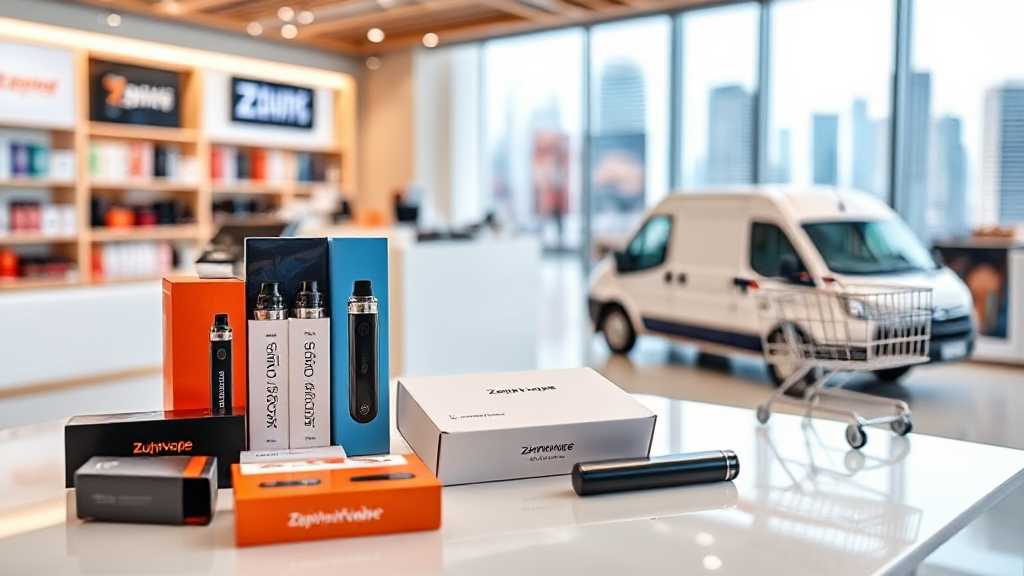
Good Packing, Careless Packing: Opening a Lana Ultra 2 Parcel
The parcel is already open on the table. The outer mailer sits to one side, sliced cleanly along the seam, and the contents are laid out in the order they emerged: a sealed device box, a small padded sleeve, a folded invoice, and a strip of bubble wrap that either did its job or did not. This is the moment when a buyer learns almost everything about how an order was handled. A lana ultra 2 is a compact, sealed product, and the condition of its packaging on arrival tells a story that no tracking update ever will.
Judging packing quality is not about being fussy. It is about reading the layers. The outer layer shows whether the seller respects the journey. The inner layer shows whether the device was treated as a product or as an afterthought. When I open a parcel, I work from the outside in, and each layer either builds confidence or erodes it.
The outer layer: what the mailer and tape reveal
The first thing I check is the mailer itself. A well-packed order arrives in a rigid or semi-rigid box, or a padded mailer with a reinforced base. The tape runs straight and overlaps the seam by a comfortable margin. The address label is legible and positioned so it does not peel at the corner. There is no bulge in the middle, no soft spot where a corner has been crushed, and no sign that the parcel was squeezed into a sorting bin.
A careless parcel tells a different story at this same layer. The mailer is flimsy, the tape is thin and lifting, and the box has a dent that lines up exactly with where the device sits inside. Sometimes the label is half-printed or wrapped around a corner. None of this automatically means the product is damaged, but it does mean nobody along the chain was given a reason to be careful. When a seller ships something like a marbo vape 25k in the same parcel, the standard applied to one item is the standard applied to all of them.
Discreet packaging is a related but separate question. A plain outer box with no product branding is standard practice for adult retail, and it also happens to protect the contents better because it does not advertise what is inside. A careless parcel often skips this step, using branded tape or a box that names the product on the outside. That is a handling decision, and it shows up the moment the parcel is opened.
Inner protection: padding, placement and the device itself
Once the outer layer is off, the inner layer is where the real judgment happens. Good packing gives the device its own space. A sealed device box sits inside a padded sleeve or is wrapped in bubble wrap with the bubbles facing inward. There is enough fill material that the box cannot slide from one end of the mailer to the other. When I lift the parcel and tilt it before opening, nothing shifts. That silence is the sound of correct packing.
Careless packing is loud. The device box rattles against the sides of the mailer. Bubble wrap, if present at all, is a single loose sheet that has already migrated to one corner. The device box corners are soft or scuffed because they have been grinding against cardboard for the entire journey. In the worst cases, the inner box has been opened and resealed, or the seal is creased in a way that suggests it was pressed against something heavy.
This is also where I look at whether the seller grouped items sensibly. A small device like a lana pen plus 9k should never be loose next to a heavier item. If a larger order includes something like a lana pix 20k, the heavier box should be at the base with lighter items above it, separated by fill. When everything is simply dropped into one bag, the lighter items absorb the movement, and the scuffs show it.
What the invoice and inserts tell you about handling
The paperwork layer is small but revealing. A careful seller includes a printed or clearly legible invoice, folded flat rather than crumpled, and placed so it does not press against the device. Any promotional insert is flat and clean. There is no loose tape stuck to the paper, no ink transfer from the label, and no sign that the documents were shoved in as an afterthought.
A careless parcel often has no invoice at all, or one that is folded around the device and taped shut. Sometimes the paperwork is damp or torn. These are minor annoyances on their own, but they mirror the same lack of attention that shows up in the padding. A seller who cannot fold a piece of paper flat is unlikely to have spent time cushioning a device.
I also check whether the parcel includes any indication of how the order was picked. A packing slip with item names and quantities that match what is in the box is a good sign. A slip that lists a different product, or nothing at all, is a warning that the order was assembled quickly. For a device like a lana pix, which has a specific form factor and packaging, a mismatch between the slip and the contents is worth noting before the seal is broken.
Turning the opening into a verdict
After the layers are laid out, the verdict is usually obvious. Good packing has a pattern: a rigid or padded outer layer, straight tape, a device that does not move, clean paperwork, and an inner box with crisp corners. Careless packing has its own pattern: a soft mailer, lifting tape, a device that rattles, scuffed corners, and paperwork that looks like it was added last. Neither pattern guarantees the device inside is perfect, but the pattern is the best available evidence of how the order was treated.
It helps to compare the parcel in front of you with how the same seller handles other items. If a marbo 25k arrives in a rigid box with proper fill, the standard is consistent. If a snowwolf 16k arrives in a thin bag with no padding, the standard is inconsistent, and that inconsistency is the real finding. Buyers who order regularly start to notice which products get which treatment.
For anyone shopping in Singapore, where delivery is fast and parcels change hands quickly, the packing standard is the most visible part of the service. It is also the part that is easiest to judge without any special tools. A seller who offers cash on delivery and discreet packaging is making a promise about the outer layer, and the inner layer is where that promise is kept or broken. The same logic applies whether the order is a single device or a mixed cart that includes something like terea singapore alongside other items.
In the end, the parcel on the table has already answered the question. The layers do not lie. A device that arrives cushioned, sealed, and still square at the corners was handled by someone who expected the buyer to open the box and look. A device that arrives rattling, scuffed, and pressed against loose tape was handled by someone who did not. The opening is the inspection, and the packing is the report.